
The fitness industry can feel like a maze, filled with methods that aren’t always grounded in science and more focused on going viral than genuinely helping people. It’s a business which often plays on insecurities, making it tough to tell which strategies are truly meaningful.
Pilates has soared in popularity, resulting in an explosion of studios offering teacher training. These programs vary widely in quality, which means some instructors may not receive the depth of support required to assist clients and keep them safe.
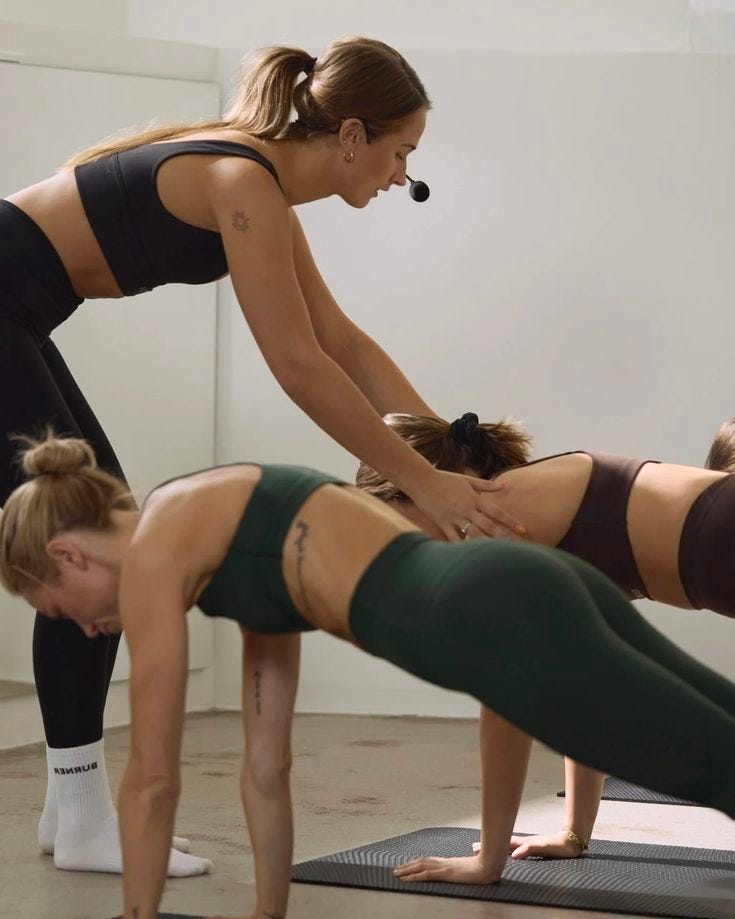
I’m not here to call anyone out personally, but as an instructor I’ve witnessed (and experienced) remarks that can mislead clients or even risk injury.
Whether you’re new to Pilates or a seasoned pro, it pays to watch out for these red flags when trying out a new instructor:
“Pilates body” language:
Beware if an instructor says you need to look a certain way to fit in, ALL bodies are pilates bodies. The myth of “lean and long” is outdated and unhelpful—the right instructor will support your goals, not box you in. I once took a class where the person next to me was made self-conscious by an instructor saying her shoulders would slim into a “Pilates body” with time. This isn’t supportive and simply unnecessary.Constantly cueing “tuck your pelvis”:
Flattening the low back (tucking) as a prolonged position is outdated and may lead to pelvic floor issues, weakened abdominals, and tighter hip flexors. In pilates tucking/imprinting the spine has its place, but cues should be specific and carefully monitored, not repeated as a rule for everyone and every exercise. Tucking turned from a cue into a culture mostly through barre, but pilates is not barre, it values alignment over burn.Glorifying the “Pilates Shakes”:
Shaking muscles might mean you’re working hard, but it’s not a sign of muscle growth. Instructors should avoid presenting shakes as a badge of honour. Social media is full of videos where instructors highlight the shakes, further misleading other instructors in making them aspirational. If your instructor is getting the majority of their continuing education from social media it’s a sure sign you should move on. Find out what these shakes really mean here.
Supportive instruction changes everything. If you’re searching for a Pilates class or instructor, trust your gut and look for someone who uplifts and educates, not one who echoes old myths.
Have you spotted any of these red flags in a class—or overcome them on your own journey? Share your experience or questions below. I’m happy to help you navigate this world!